
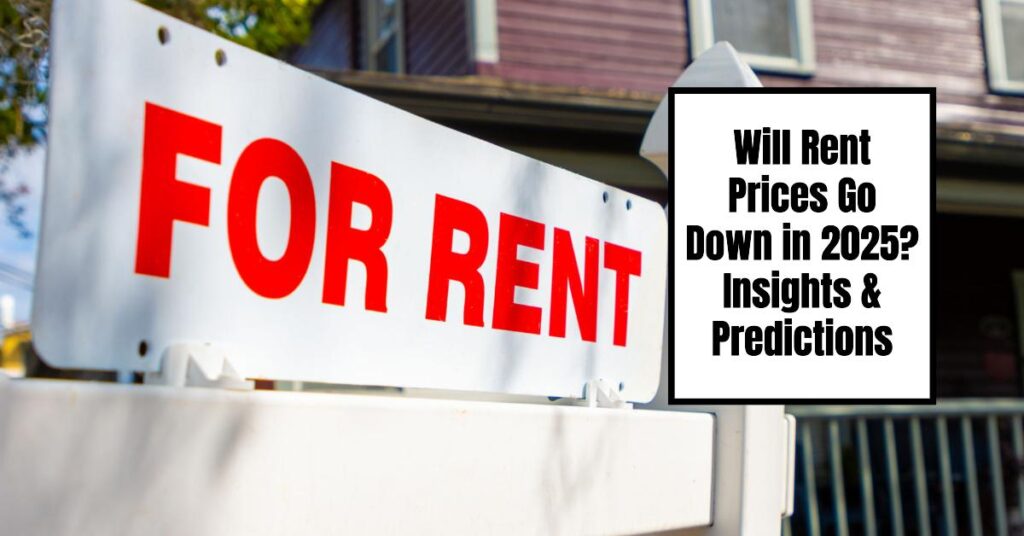
Great topic—this one’s timely and SEO-friendly. Here’s a fresh and insightful article you can use titled:
📊 What’s Driving Rent Prices Up (or Down) in 2025?
Rent prices are always shifting, but in 2025, renters across many cities are noticing unusual patterns—some areas are seeing rents drop, while others are hitting all-time highs. So, what’s really going on behind the scenes?
Here’s a look at the key factors driving rent prices up or down in 2025, and what it means if you’re in the market for a new place.
📈 Factors Driving Rent Prices Up
1. Low Housing Supply
Despite new developments, housing inventory still hasn’t caught up with demand in many urban and suburban areas. Construction slowed down in recent years due to:
- Rising construction costs
- Labor shortages
- Delays from zoning and permit issues
This supply crunch keeps rents high—especially in cities like [insert trending high-rent city].
2. Inflation & Rising Operating Costs
Landlords are facing increased costs for:
- Maintenance & repairs
- Insurance premiums
- Property taxes
- Utility costs (for buildings where owners pay)
As a result, many are passing those costs onto tenants through higher rents.
3. Return-to-City Movement
After years of suburban migration, 2025 is seeing more people—especially young professionals—returning to city life. This rebound is putting pressure on rental markets in downtown cores, where demand is surging again.
📍 Example: In cities like San Francisco, New York, and Toronto, core-area rents are bouncing back sharply.
4. Strong Job Markets in Select Cities
Rents are spiking in areas with growing industries (tech, biotech, green energy). Cities with low unemployment and high-paying jobs tend to see faster rental increases.
📉 Factors Driving Rent Prices Down
1. New Housing Developments in Select Markets
Some metro areas have successfully added new housing stock—especially mid-rise and multi-unit apartment complexes. More supply = more competition = price stabilization or slight drops.
💡 Hot example: Secondary cities and growing suburbs with aggressive development policies.
2. Remote Work Continues
While some companies are bringing employees back to the office, many roles remain hybrid or fully remote. This continues to ease pressure on inner-city housing, shifting rental demand toward cheaper outer suburbs or small cities.
3. Economic Uncertainty
Concerns about interest rates, layoffs in tech and finance, and slower economic growth in early 2025 are causing some renters to delay moving or downsize, reducing demand in pricier areas.
4. Tenant Protections & Rent Control Policies
Some regions have introduced or expanded rent control or tenant protection laws that limit annual increases. While not widespread, these measures are keeping rent stable in certain states and provinces.
📊 What Renters Should Watch For in 2025
- Local market trends: Even within one city, rent can be rising in one neighborhood and falling in another.
- Lease terms: Expect landlords to offer more flexible or incentive-based leases (like free rent months) in slower markets.
- Workplace trends: Your company’s work policy could shape where you can live affordably.
🏁 Final Thoughts
Rent prices in 2025 are being shaped by a mix of economic forces, location-specific demand, and housing policy. If you’re planning to move, do some local research, compare neighborhoods, and don’t be afraid to negotiate—especially in areas where prices are softening.
📍 Want a local version of this article (e.g., “What’s Driving Rent Prices in Austin / Manchester / Dubai in 2025?”)? Let me know your city, and I’ll update this post with real-time data for your audience.
