
Of course! Here’s a clear, helpful article for your rental website or blog titled:
💳 How Credit Scores Affect Your Rental Application
When you apply for a rental, your potential landlord wants to know one big thing: Can you be trusted to pay rent on time? That’s where your credit score comes into play. Whether it’s great, average, or needs some work, your credit score can make a big difference in how landlords view your application — and even what terms they offer you.
Let’s break down exactly how credit scores affect your rental application and what you can do to strengthen your position.
📊 What Is a Credit Score?
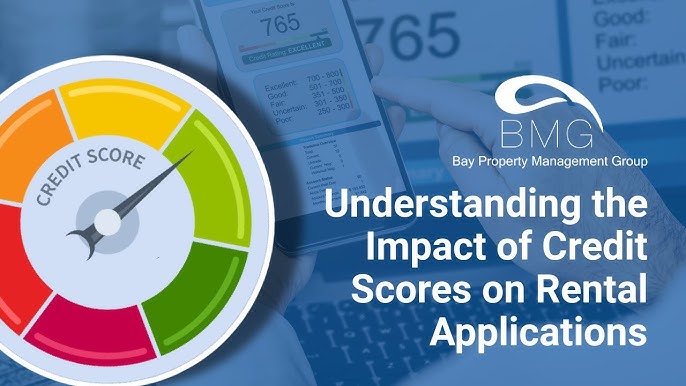
A credit score is a three-digit number that reflects your financial history and how reliably you’ve handled credit. Scores typically range from 300 to 850, with higher numbers being better.
Here’s a general breakdown:
| Score Range | Rating |
|---|---|
| 750 – 850 | Excellent |
| 700 – 749 | Good |
| 650 – 699 | Fair |
| 600 – 649 | Poor |
| Below 600 | Risky / Very Low |
💡 Most landlords prefer applicants with a score above 650, but requirements vary by property.
🧐 Why Landlords Check Your Credit
Landlords use your credit score to predict how likely you are to:
- Pay rent on time
- Fulfill the lease term
- Manage bills responsibly
They may also look at your credit report (not just the score) to see:
- Late or missed payments
- Outstanding debts
- Collections or bankruptcies
- Total monthly obligations
🏘️ How Credit Affects Your Rental Outcome
Here’s how your credit score might impact your rental application:
✅ High Credit Score (700+)
- Fast approval
- More choices of apartments
- May not need a co-signer
- Possibly lower security deposit
🤝 Fair Credit Score (600–699)
- Still eligible for many rentals
- May need stronger income proof or references
- May be asked for a larger deposit or co-signer
⚠️ Low Credit Score (Below 600)
- Application may be denied
- Likely to need a co-signer or guarantor
- Might be asked to pay extra rent upfront (e.g., 2–3 months)
🛑 Some landlords may have a strict minimum credit score, while others are more flexible.
💡 Tips If Your Credit Score Isn’t Perfect
Don’t worry — you still have options! Here’s how to strengthen your application:
- Show Proof of Income – Pay stubs, bank statements, or tax returns showing consistent earnings.
- Provide References – From past landlords or employers.
- Get a Co-Signer – Someone with stronger credit who agrees to be responsible if you can’t pay.
- Offer a Larger Deposit – This helps reassure landlords of your commitment.
- Write a Letter of Explanation – Briefly explain any past issues (like medical debt, job loss, etc.) and how you’ve recovered.
🛠️ How to Improve Your Credit Before Renting
If you’re not in a hurry to move, here are a few ways to boost your score:
- Pay down credit card balances
- Make all bill payments on time
- Avoid applying for new loans or cards
- Dispute errors on your credit report
📈 Even a small bump in your score (like 20–30 points) can make a big difference.
🧠 Final Thoughts
Your credit score is just one piece of the rental puzzle — but it’s an important one. The good news? Even if it’s not perfect, you can still land a great rental by being prepared, transparent, and flexible.
📍 Want a version of this article tailored to your local rental market or country’s credit reporting system (e.g., US, Canada, UK, Australia)? Just let me know!
